

Physiotherapy for Dizziness and Vertigo
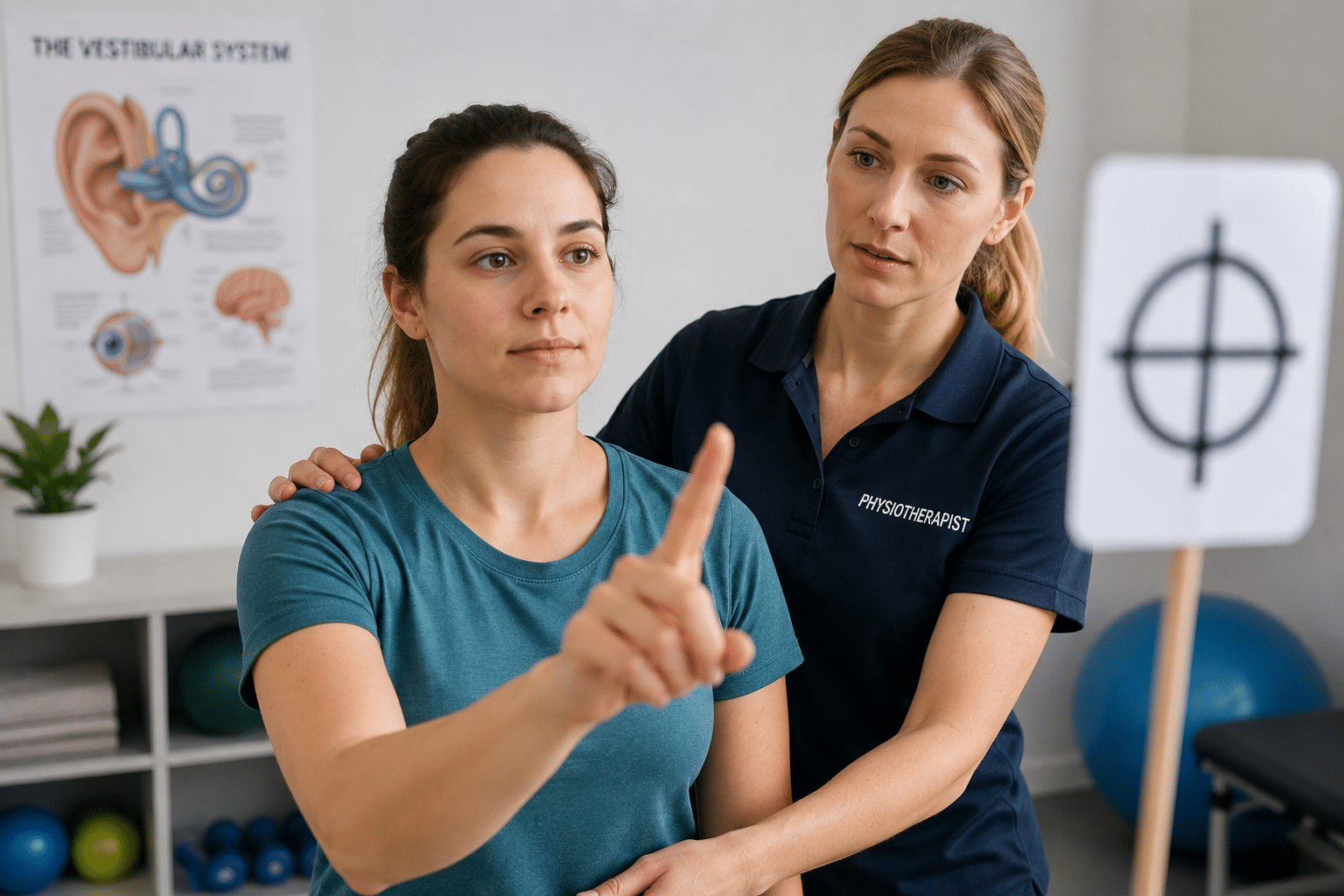
Feeling dizzy can be incredibly frustrating. One minute you’re fine, and the next it feels like the room is spinning, your balance is off, or you’re walking like you just stepped off a roller coaster. If you’ve been dealing with dizziness or vertigo, you’re definitely not alone — and the good news is that physiotherapy can often help more than people realize.
First Things First: What’s the Difference Between Dizziness and Vertigo?
People tend to use the terms interchangeably, but they’re actually a little different.
- Dizziness is more of a general feeling — lightheadedness, feeling unsteady, or “off.”
- Vertigo is the sensation that you or the environment around you is spinning or moving when it’s not.
Vertigo often comes from problems in the inner ear, which plays a huge role in balance.
Common Causes of Vertigo and Dizziness
There are a bunch of reasons someone might feel dizzy, including:
- Inner ear conditions like BPPV (Benign Paroxysmal Positional Vertigo)
- Vestibular neuritis
- Concussions
- Migraines
- Neck issues
- Balance disorders
- Stress and anxiety
- Age-related balance changes
Sometimes symptoms come and go quickly, while other times they can linger for weeks or months.
So… How Does Physiotherapy Help?
This surprises a lot of people, but physiotherapists can actually treat many forms of dizziness and vertigo through something called vestibular rehabilitation therapy (VRT).
Basically, it’s a specialized type of physiotherapy designed to retrain your brain and body to work together again when your balance system gets disrupted.
Depending on the cause of your symptoms, treatment may include:
1. Repositioning Maneuvers
If you have BPPV, tiny crystals in the inner ear can get out of place and trigger spinning sensations. A physiotherapist can guide you through specific head and body movements — like the Epley maneuver — to move those crystals back where they belong.
And yes, it can feel a little strange while it’s happening. But for many people, relief can happen surprisingly fast.
2. Balance Training
Dizziness often makes people feel unstable or nervous about falling. Physiotherapy can include exercises to improve:
- Coordination
- Stability
- Walking confidence
- Reaction time
- Overall balance
These exercises are usually gradual and customized to your comfort level.
3. Gaze Stabilization Exercises
Ever notice your vision feels jumpy or blurry when you move your head? That can happen when the vestibular system isn’t communicating properly with your eyes.
Physiotherapists use simple exercises that help retrain this connection so your eyes can stay focused while your head moves.
4. Neck Treatment
Sometimes dizziness is actually connected to tension or dysfunction in the neck. In those cases, treatment may involve:
- Manual therapy
- Stretching
- Posture correction
- Strengthening exercises
A stiff neck and dizziness can absolutely be related more than people think.
What Does a Physiotherapy Assessment Look Like?
Your first appointment is usually pretty detailed. A physiotherapist may assess:
- Balance
- Eye movements
- Walking patterns
- Neck mobility
- Positional testing
- Symptom triggers
Don’t worry — they’re not trying to make you dizzy on purpose. They’re figuring out what’s causing the symptoms so treatment can target the actual problem.
How Long Does It Take to Feel Better?
That depends on the cause.
Some people with BPPV feel dramatically better after just one or two sessions. Others with more complex vestibular conditions may need several weeks of treatment and exercises at home.
Consistency matters. Vestibular rehab works best when exercises are done regularly.
When Should You Seek Help?
It’s a good idea to see a healthcare professional if dizziness or vertigo is:
- Happening repeatedly
- Affecting your balance
- Causing falls
- Triggered by movement
- Interfering with daily activities
- Lingering longer than expected
And of course, sudden severe dizziness, which can be combined with symptoms like chest pain, weakness, difficulty speaking, or vision loss, should be treated as a medical emergency.
Final Thoughts
Dizziness and vertigo can make everyday life feel exhausting and unpredictable. The upside is that many balance-related conditions respond really well to physiotherapy.
You don’t have to just “live with it” or wait for it to magically disappear. With the right assessment and treatment plan, many people regain confidence, improve balance, and get back to feeling normal again.