

Physiotherapy for Knee Pain in Lindsay
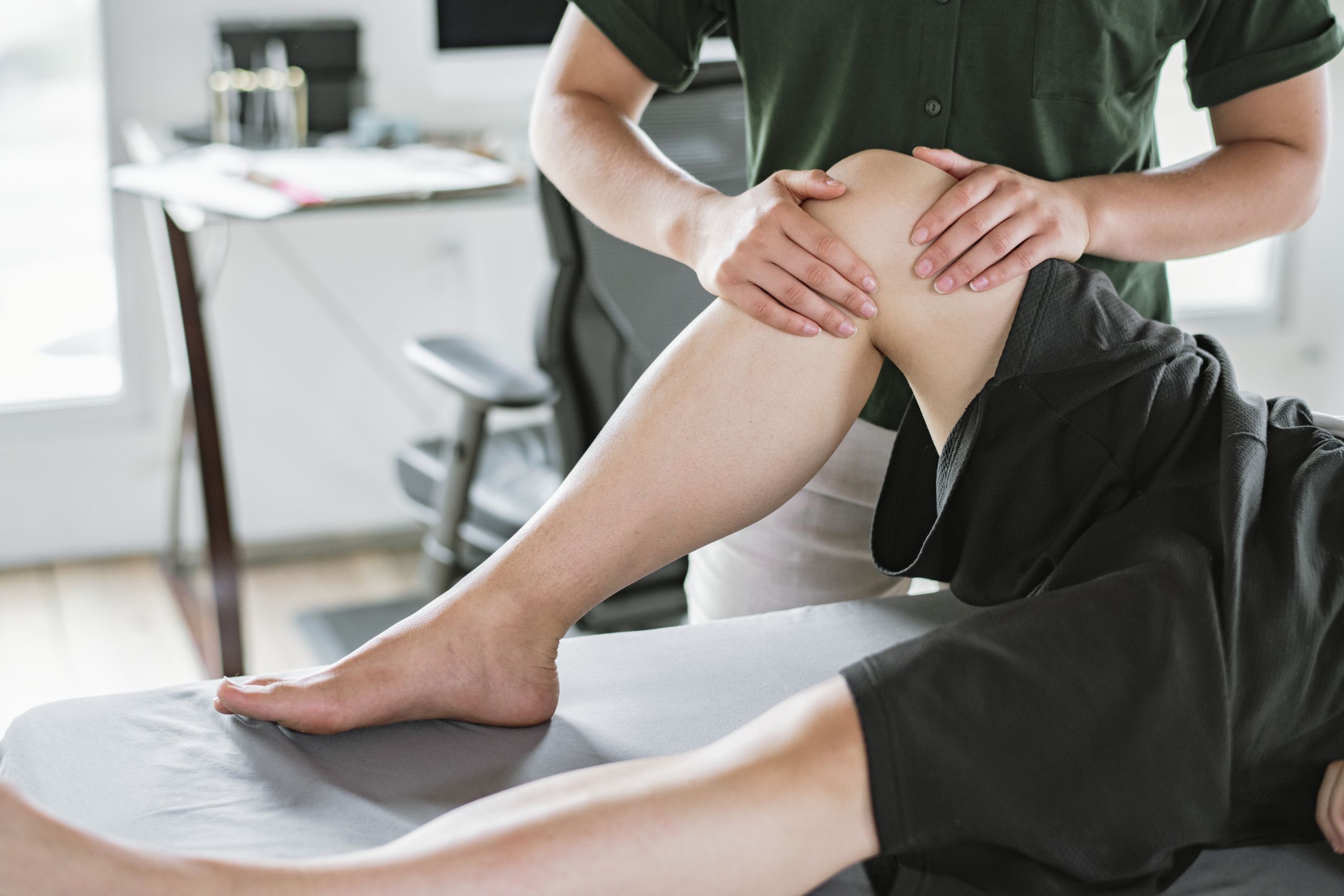
Knee pain is one of the most common musculoskeletal complaints, affecting people of all ages — from young athletes to older adults. Whether it starts suddenly after an injury or develops gradually over time, knee pain can limit your ability to walk, exercise, climb stairs, or even sit comfortably.
Understanding the root cause of knee pain is the first step toward effective treatment. Below, we explore the most common causes and how physiotherapy can help you recover safely and confidently.
Common Causes of Knee Pain
1. Osteoarthritis
Osteoarthritis is one of the leading causes of knee pain, especially in adults over 50. It occurs when the cartilage that cushions the joint gradually wears down, leading to stiffness, swelling, and pain during movement.
Typical symptoms:
- Morning stiffness
- Pain during or after activity
- Grinding or clicking sensations
- Reduced range of motion
2. Ligament Injuries (ACL, PCL, LCL and MCL)
Ligaments stabilize the knee joint. Injuries often occur during sports that involve sudden stops or changes in direction.
A common example is an injury to the Anterior cruciate ligament (ACL), which can tear during pivoting movements. Similarly, the collateral ligaments (MCL & LCL) can be injured from a blow to the side of the knee.
Typical symptoms:
- Sudden pain
- Swelling
- Instability or “giving way”
- Difficulty bearing weight
3. Meniscus Tears
The meniscus is a piece of cartilage that acts as a shock absorber in the knee. Twisting motions or age-related degeneration can cause tears.
Typical symptoms:
- Locking or catching of the knee
- Pain with twisting
- Swelling
- Difficulty straightening the knee
4. Patellofemoral Pain Syndrome
Often referred to as “runner’s knee,” Patellofemoral pain syndrome causes pain around or behind the kneecap.
Typical causes include:
- Overuse
- Muscle imbalances
- Poor alignment
- Weak hip or thigh muscles
- Typical symptoms:
Pain when climbing stairs
Discomfort after sitting for long periods
Pain during squatting or running
5. Tendonitis
Knee tendonitis involves inflammation of the tendons, often due to repetitive stress. Athletes who jump frequently may develop irritation of the Patellar tendon, sometimes called “jumper’s knee.”
Typical symptoms:
- Localized pain below the kneecap
- Tenderness to touch
- Pain during activity
How Physiotherapy Can Help
Physiotherapy is often one of the most effective, non-surgical treatments for knee pain. A tailored treatment plan focuses not just on reducing pain but addressing the underlying cause.
Here’s how physiotherapy supports recovery:
1. Accurate Assessment
A physiotherapist will evaluate:
- Joint mobility
- Muscle strength
- Movement patterns
- Biomechanics
This helps identify whether your pain stems from weakness, tightness, instability, or structural damage.
2. Targeted Strengthening
Weak muscles — particularly in the quadriceps and hamstrings — can increase stress on the knee. Strengthening exercises help:
- Improve joint stability
- Reduce strain on injured tissues
- Enhance overall function
For example, hip strengthening can significantly reduce symptoms in people with patellofemoral pain.
3. Mobility and Flexibility Training
Tight muscles (such as hamstrings or calves) can alter knee mechanics. Stretching and mobility work help restore proper movement and reduce joint stress.
4. Pain Management Techniques
Physiotherapists may use:
- Manual therapy
- Modalities (ultrasound, shockwave, interferential current, laser)
- Taping techniques
- Education on activity modification
- Gradual return-to-sport programs
These strategies reduce pain while promoting healing.
5. Injury Prevention
One of the greatest benefits of physiotherapy is prevention. By correcting movement patterns and strengthening key muscle groups, you reduce the risk of recurring knee problems.
When Should You See a Physiotherapist?
Consider seeking professional advice if you experience:
- Persistent pain lasting more than a few days
- Swelling that doesn’t improve
- Instability or locking
- Difficulty walking or climbing stairs
- Pain that limits exercise or daily activities
Early intervention often leads to faster recovery and better long-term outcomes.
Final Thoughts
Knee pain can be frustrating — but it doesn’t have to control your life. Whether your discomfort stems from osteoarthritis, a ligament injury, overuse, or muscle imbalance, physiotherapy offers evidence-based solutions that restore movement and confidence.
If you’re experiencing knee pain, don’t wait for it to worsen. A personalized physiotherapy program can help you move better, feel stronger, and return to the activities you love — safely and sustainably.